Over the previous ten years, SEO (Search Engine Optimization) has changed a lot. In 2025, it will change even more because of AI, voice search, Google’s Helpful Content System, and changes in how people use the internet. This is a quick look at how SEO has changed over time and what you can do to make it better in 2025.
1. User Intent Over Keywords
SEO has changed a lot since the days of keyword stuffing. In the beginning, search engines gave more weight to exact-match keywords. To get a high rank, you had to say the same things over and over again, no matter what. But things started to change when NLP (Natural Language Processing) came out. This helped Google comprehend how people thought and talk better.
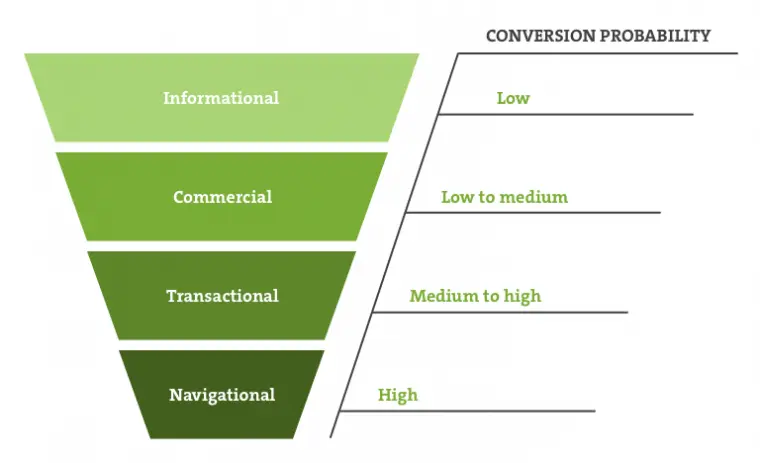
Semantic search and subject relevance are what drive SEO in 2025. Search engines can now understand synonyms, the context of a search, and where the user is in their journey (awareness, deliberation, decision). Tools like Google’s BERT and MUM have taught computers to look at more than just what a user is typing. They also look at why the user is searching.
Content needs to meet a user’s needs in order to rank well right now. This could include giving them a quick answer, a tutorial, or a review of a product. Websites that cover topics in depth and gain topical authority are rewarded. Keywords are still important, but they need to be clear and in context.
To do well with modern SEO, you need to know what your audience wants and needs and what they want to do next. This change puts more emphasis on quality and relevance than on quantity and keyword density. This makes content strategy more focused on people than ever before.
Also Read: How Keyword Intent Can Increase Your Conversion Rate
2. From text to multimedia
In the early 2010s, SEO was mostly dependent on text. The main signals for ranking were written content, meta tags, and where keywords were placed. But as people’s habits changed and broadband became more common, visual and interactive material grew more important.
In 2025, multimedia content is becoming the most important part of SEO success. Google doesn’t simply keep track of text; it also keeps track of photographs, videos, podcasts, infographics, and even audio snippets and video chapters. Pages featuring a variety of content types usually do better in search results because they keep people on them longer.
YouTube and TikTok affect Google’s search results, and it’s important to make content more visible by turning a blog into a video or a podcast into an article. Visual search technologies like Google Lens have also made it much more important to optimize images.
People who make content today need to think beyond writing. Adding relevant media, optimizing file names, adding ALT tags, and giving video transcripts all make it easier for others to find your content. This not only helps with SEO, but it also makes the site easier to use and more accessible. The future of SEO is a mix of good writing and good pictures.
3. The Evolution of AI and Search
Google used to just crawl and index pages. It seemed possible that a page will rank if it had the correct keywords and layout. But now, the search engine uses complex AI models like RankBrain, BERT, and MUM to figure out what people are asking for.
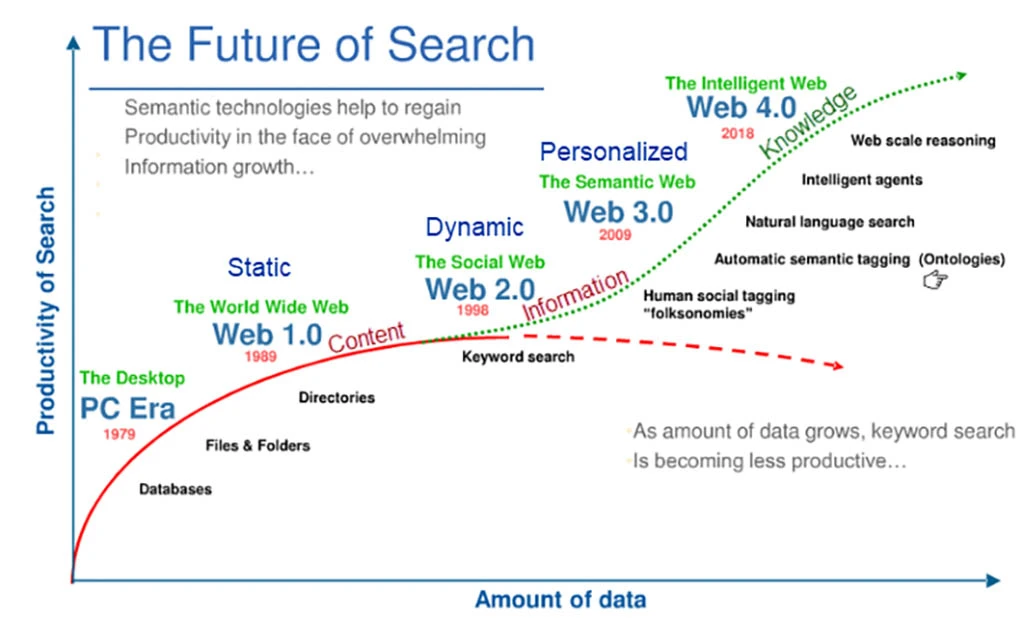
We are now in the age of AI-powered search, which started in 2025. Google’s AI Overviews now show users short answers right on search sites. This means that the information needs to be reviewed for accuracy, organized so that it is easy to understand, and improved for snippets and featured responses.
Google may now change the results in real time based on search trends, how people are searching, and even changes between regions. It uses E-E-A-T signals to judge how useful, interesting, and original a page is, and then it uses AI to make sense of these factors better.
SEO experts need to write content that is deep, clear, and trustworthy. Use bullet points, subheadings, and FAQs to help AI understand your information. Structure is important. Content development today has to find a balance between being interesting to people and easy for machines to read.
AI is no longer just a tool for the back end; it’s how content is ranked. Your material needs to be full of facts, well-organized, and in line with how AI interprets what users want in order to be visible.
Also Read: AI-Based 10 New SEO Techniques for 2025
4. Mobile and Core Web Vitals
In the past, websites were made for PCs first, and mobile versions were an afterthought. In 2019, nevertheless, Google switched to mobile-first indexing. By 2025, SEO will require a speedy, mobile-friendly experience.
Google uses Core Web Vitals to rate your site today. These are measures that show how well users are using your site:
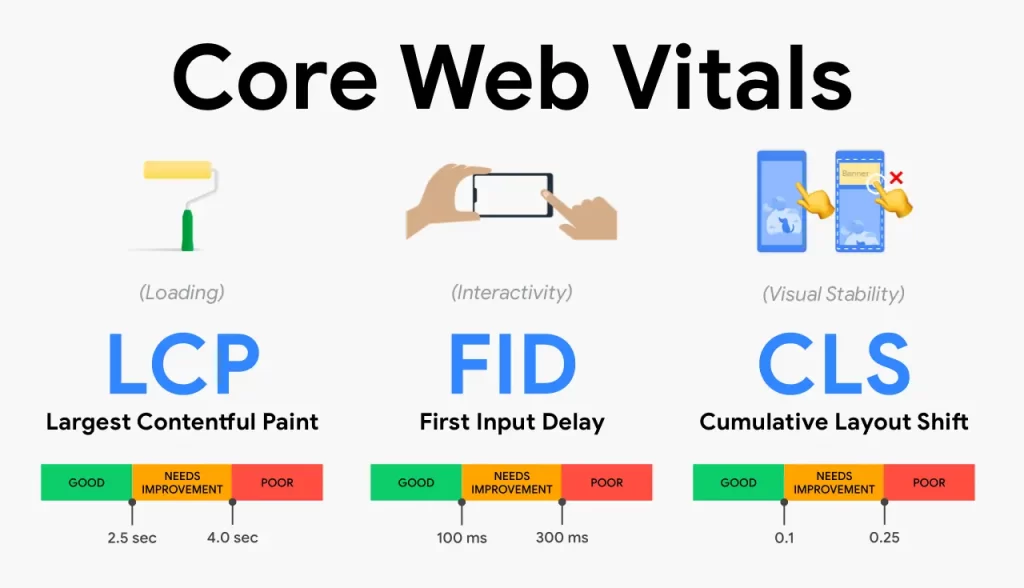
- LCP (Largest Contentful Paint): How fast a page loads.
- CLS (Cumulative Layout Shift): How stable the layout looks.
- INP (Interaction to Next Paint): how quickly the program responds to user input.
No matter how wonderful the content is, your website won’t rank well if it doesn’t do well in these categories. Pages that load quickly and work on all devices are now a must.
Web developers need to leverage Content Delivery Networks (CDNs), optimize picture sizes, enable lazy loading, and cut down on JavaScript bloat. PageSpeed Insights and Lighthouse are two tools that every SEO should have.
In 2025, a smooth mobile experience isn’t only about how it looks; it’s also about how fast, stable, and easy to use it is. Your technical SEO needs to be focused on how well it works for users. If you don’t pay attention to these signs, your ranks could plummet a lot.
5. Local SEO and Customization
In the past, all you had to do for local SEO was list your business in directories like Yelp or Yellow Pages. Now, it’s an important aspect of digital strategy. Local and tailored search results are smarter than ever in 2025.
Google Business Profile (GBP) listings, customer reviews, local keywords, and geotagged content all affect how businesses show up in search results today. Google customizes local results based on where your device is, what you’ve searched for, and how you’ve acted, thus hyper-local targeting is a must.
Voice search has also changed how local SEO works. People are looking for things like “best pizza near me” or “study abroad consultant in Chennai,” and Google gives them map packs and business results that are optimized for those searches.
In 2025, to win at local SEO, make sure your NAP (Name, Address, Phone) is consistent, get real reviews that highlight keywords, and make landing pages that are specific to your locality. Adding LocalBusiness schema makes it easier for Google to find your business.
In location-based searches, localized content and client trust are increasingly more important than backlinks. You’re missing out on a lot of traffic if you don’t optimize for local and mobile.
6. Trust and Authenticity of Content
In the early days of SEO, sites might get high rankings just by posting a lot of material full of keywords. But this made pages that were low quality, copied, and wrong. That doesn’t function anymore. Search engines now put a lot of value on trust and authenticity.
The way material gets ranked has changed because of Google’s E-E-A-T standards (Experience, Expertise, Authoritativeness, Trustworthiness). Pages should reflect that they were written by someone who know what they’re talking about. In 2025, credibility will depend on confirmed authorship, cited sources, and original points of view.
Author pages, actual profiles, and interviews with experts all help your rankings. Backlinks are still important, but only if they come from reliable and relevant sources. AI also looks at the tone, how true the facts are, and how original the work is. Fluff that is thin or made by AI won’t do.
Your content needs to be real, helpful, and clear in order to do well. Use examples from real life, data, and your own voice. Even in reviews of products, using them yourself and taking pictures can make your material stand out.
Trust is what SEO rewards in 2025. Your rankings will follow if you focus on quality over quantity.
How to Make SEO Better in 2025
1. Pay attention to what people are looking for
In 2025, it’s more crucial to know what people are looking for than to target certain keywords. There is a reason for every search query; people could be trying to learn, compare, or buy anything. At every point of the funnel, your content should match what they want.

Make instructive content like blog entries or guidelines for people who are just becoming aware of your brand. For the deliberation stage, produce pieces that compare things or focus on solutions. For the decision stage, make landing pages or product descriptions that are all about getting them to buy.
Use AnswerThePublic, AlsoAsked, and even Google’s AI Overview snippets to find out what questions others are asking. These tools help you find long-tail inquiries and organize your content on what real users need.
Your content is more likely to show up in Featured Snippets, People Also Ask, and AI Overviews if it meets search intent. You will also make users happier, which will lower your bounce rate and lengthen your interaction time. Both of these are very important SEO metrics in 2025.
It’s not about guessing what someone wants; it’s about using data, putting yourself in the user’s shoes, and making content that is useful, relevant, and answers actual issues. This intent-first method is necessary for long-term SEO success.
2. Write content that is helpful and expert-level
In 2025, Google’s Helpful Content Update is still changing how pages are ranked. To be successful, you need to publish original, expert-level material that is based on your own experiences and solves actual problems. There are no more days of writing that is too general or full of keywords.
Begin with personal experience. If you’re writing about a service or product, make sure you really used it. Add information that only someone who has used it would know. This shows that your content isn’t just AI-generated fluff and generates confidence.
Show that you have experience, expertise, authority, and trustworthiness by following Google’s E-E-A-T rules. Include author profiles, use reliable sources, and arrange your content such that it is easy to read with bullet points, subheadings, and summaries.
Every piece should have a defined goal. Don’t write solely to fill your blog. Instead, focus on helping users, answering specific issues, and giving them new ideas. Don’t think like a salesperson; think like a teacher.
In 2025, Google will encourage creators who aid users, not simply those who write well. If your material is valuable, easy to read, and well-organized, it will rank higher, get more clicks, and get more backlinks on its own.
3. Use Schema Markup
In 2025, schema markup is one of the most potent but least used SEO strategies. It’s a kind of structured data that tells Google exactly what your content is about, which makes it easier for search engines to show rich results.
Using FAQPage schema, for instance, helps you show up in “People Also Ask” boxes. You may see ratings, prices, and availability straight on the search results page if you add Product schema to your product pages. The LocalBusiness, HowTo, Event, and Review schema types are also quite useful.
You don’t need to know how to code to use schema. To simply create and upload structured data, use Schema.org, Google’s Rich Results Test, or SEO plugins like Rank Math and Yoast SEO.
Proper schema helps AI Overviews, makes you more visible in SERPs, and raises click-through rates. Google is using structured data more and more to connect content with voice search, visual search, and zero-click queries.
Schema is not an option in 2025; it is necessary. It helps search engines show your page to the appropriate people at the right time, gives your material more depth, and makes it stand out.
4. Make Core Web Vitals better
In 2025, performance is more important than ever, especially since Core Web Vitals are now a big part of search rankings. These are three important ways to measure how users feel about your site:
- LCP (Largest Contentful Paint): The time it takes for your primary content to load (less than 2.5 seconds is best).
- CLS (Cumulative Layout Shift) tells you how visually stable your page is (<0.1 is best).
- INP (Interaction to Next Paint): This tells you how quickly your site reacts to what users do (less than 200ms is best).
To make these better, employ picture compression, lazy loading, fast hosting, and a content delivery network (CDN). Minify your CSS and JavaScript, get rid of items that obstruct rendering, and cut down on code that isn’t utilized.
Check your site’s performance often with Google PageSpeed Insights, Lighthouse, and WebPageTest. Plugins like WP Rocket and Perfmatters can help speed up WordPress sites automatically.
Google wants websites that load quickly, respond quickly, and look good. If users have to wait or the page bounces, they will leave, and your rankings will go down. Don’t put off Core Web Vitals for technical SEO in 2025. Make them a priority.
5. Put money into topical authority
In 2025, topical authority will be one of the most important things for SEO. Google now rewards websites who control a specialty by covering it in depth instead of creating a lot of irrelevant blog pieces. Search engines regard you as an expert the more detailed your content is.
Use a pillar-cluster technique to develop authority in your field. Make a general pillar page, like “Study Abroad in the UK,” and link it to a number of more specific blog entries (clusters) on subjects like how to get a scholarship, the visa process, ideas for writing a statement of purpose, housing, the cost of living, and so on. Make it easy for both people and search engines to find their way around by linking all of your posts together.
This method makes it easier for users to discover everything they need in one location, which keeps them on the page longer and lowers the bounce rate. Google interprets this structure as a hint that your site has complete and reliable information.
SurferSEO, Frase, and MarketMuse are some of the tools that can assist you find gaps and plan your content around a topic. Instead of going after single keywords, try to be the best at whole topics.
In 2025, it’s not enough for one blog post to go viral to get you ranked. You need to have a library of useful content that shows you’re the best source of information in your sector.
6. Use AI and voice search to your advantage.
People who search in 2025 talk to each other more than before. People increasingly speak their questions instead of typing them because of AI-powered assistants like Google Assistant, Alexa, and Siri. It’s important to make sure that your site works well with voice search and AI-generated results.
Most of the time, voice search inquiries are lengthier, more natural, and based on questions. Instead of typing “SEO checklist,” people can question, “What should I put on my SEO checklist for 2025?” This means that your material should have keywords that sound like they come from a conversation, full-sentence replies, and FAQs that are set up like questions and answers.
AnswerThePublic, Semrush, and Google’s AI Overview insights are some of the resources you can use to identify common voice-friendly questions. Then organize the content so that it directly answers them with short, unambiguous answers.
Adding FAQ schema will help your site show up in voice search results or featured snippets more often. Your content should be short, natural, and easy to read on a phone.
AI also checks information for correctness, clarity, and context. Don’t waste time with fluff; just give useful responses. Write in a way that makes it sound like you’re talking to the user—clear, straightforward, and interesting.
By making your content work better with AI and voice search, you make sure it will still be useful in the future and reach an increasing number of people who want quick, spoken responses.
7. Get Backlinks That Are Relevant and High-Quality
Backlinks are still one of the most important things for ranking in 2025, but quality is more important than quantity. A few links from high-quality, niche-relevant sites are worth a lot more than a lot of links from low-quality blogs.
Guest posting on well-known websites in your field is a great way to get high-quality backlinks. Pitch content that is unique, well-researched, and useful to their audience. Use resources like HARO (Help A Reporter Out) to connect with journalists looking for expert sources.
Making link-worthy content like data-driven articles, original research, polls, tools, or infographics is another way to get links. When people link to your material, these kinds of resources organically get backlinks.
The anchor text should be relevant and sound genuine. Don’t buy links or take part in dubious link exchanges; these things will hurt you more than help you in the long run.
Use tools like Ahrefs, Moz, or SE Ranking to keep an eye on your backlinks and see how they’re growing and where you can improve.
Building links in 2025 is all about gaining trust and showing that you know what you’re talking about. When trusted sites link to your material, it tells Google that you are a reliable authority and should be ranked higher.
8. Local SEO is the best
In 2025, local SEO is more crucial and competitive than ever. Optimizing your Google firm Profile (GBP) is the first step to dominating your local market online, whether you’re a consultant, an agency, or a small firm.
Make sure your profile has all the right information about your business, including its hours, services, pictures, and descriptions. Use keywords that are relevant to your area and geotag your material. To develop trust and get people to interact with your business, get real reviews from customers and respond to them often.
Make sure that your NAP (Name, Address, Phone Number) is the same on all internet directories, from Yelp to Apple Maps.
Make landing pages for each city you serve with material that is unique and useful for that city. To make it more real, add maps, reviews from residents, and ways for people to get involved in the community.
Use LocalBusiness schema to give search engines clear information about where you are and what you do. BrightLocal and Whitespark are two tools that can help you run local SEO efforts well.
Don’t forget to make your site easy to find for those who are looking for things “near me” and using voice search. These types of queries bring in a lot of traffic that converts.
In 2025, local SEO isn’t just about being on the map; it’s also about making connections, earning trust, and being important in your community, both online and off.
9. Strategy for Refreshing Content
If your old content is out of date or no longer valuable, it can affect your rankings. That’s why a strategy for refreshing content is so important for SEO in 2025. Updating existing posts can be just as useful as writing new ones.
Every six to twelve months, go through your best blogs and add new information, better formatting, new internal links, and better images. Make sure the keywords are still useful and see whether users are asking new inquiries.
Find out which pages are losing traffic or ranks by using Google Search Console. You can use tools like Ahrefs Content Explorer or Screaming Frog to find pages with old content or links that don’t work.
Update title tags and meta descriptions to fit with what people are searching for or what’s popular right now. To make the text longer and more useful, replace old screenshots, fix mistakes, and add missing parts.
Adding new material to your site shows Google that it is active, relevant, and trustworthy, which is a big ranking factor in today’s SEO world.
In short, don’t waste good content. Keep it up to date, optimized, and in line with how people search now.
10. Keep an eye on and analyze performance
You can’t make things better if you don’t keep track of them. To stay ahead in SEO in 2025, you need to keep track of your performance on a frequent basis. You can immediately change what you’re doing by keeping an eye on what’s working and what’s not, thanks to AI-generated results and changes in the SERP in real time.
Check for indexing problems, page speed, and keyword rankings with Google Search Console. Google Analytics 4 (GA4) shows you how users interact with your site, including bounce rates, scroll depth, and conversion funnels.
Use tools like Ahrefs, Semrush, or Ubersuggest to keep an eye on changes in keywords and the number of backlinks. Set up alerts to keep an eye on missing links or dips in SERP.
It’s just as crucial to look at your competitors. To see what your competitors are doing differently, use tools like SE Ranking, SpyFu, or SimilarWeb. Find holes in your plan or chances they might be missed.
Set specific goals for visitors, leads, rankings, time on site, and conversions. Make reports on a regular basis and change your SEO plan based on what you see.
SEO is not something you can just do once and forget about. It is something you have to keep doing. Brands that win are those that keep flexible, up-to-date, and able to respond to changes in algorithms and user wants.